
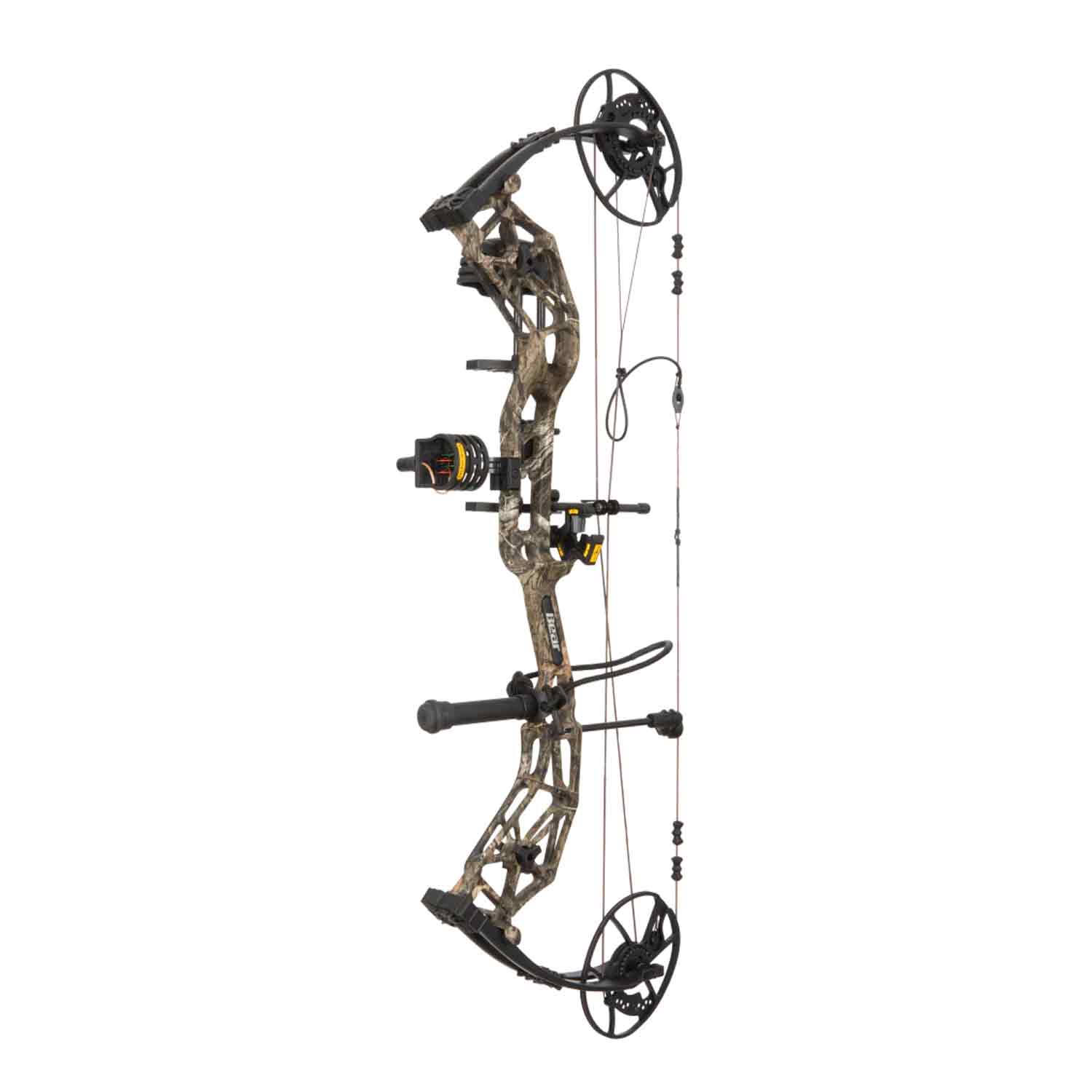
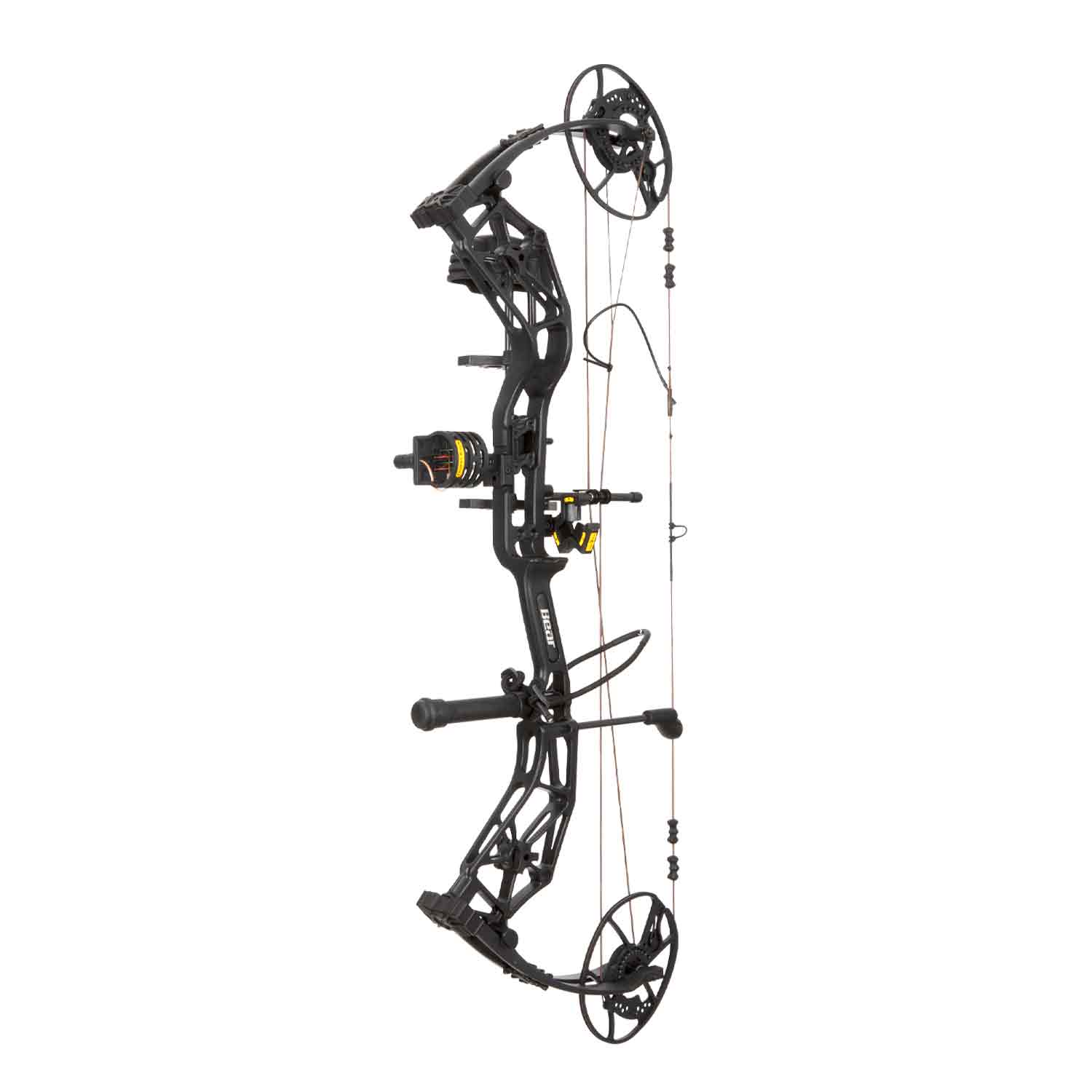
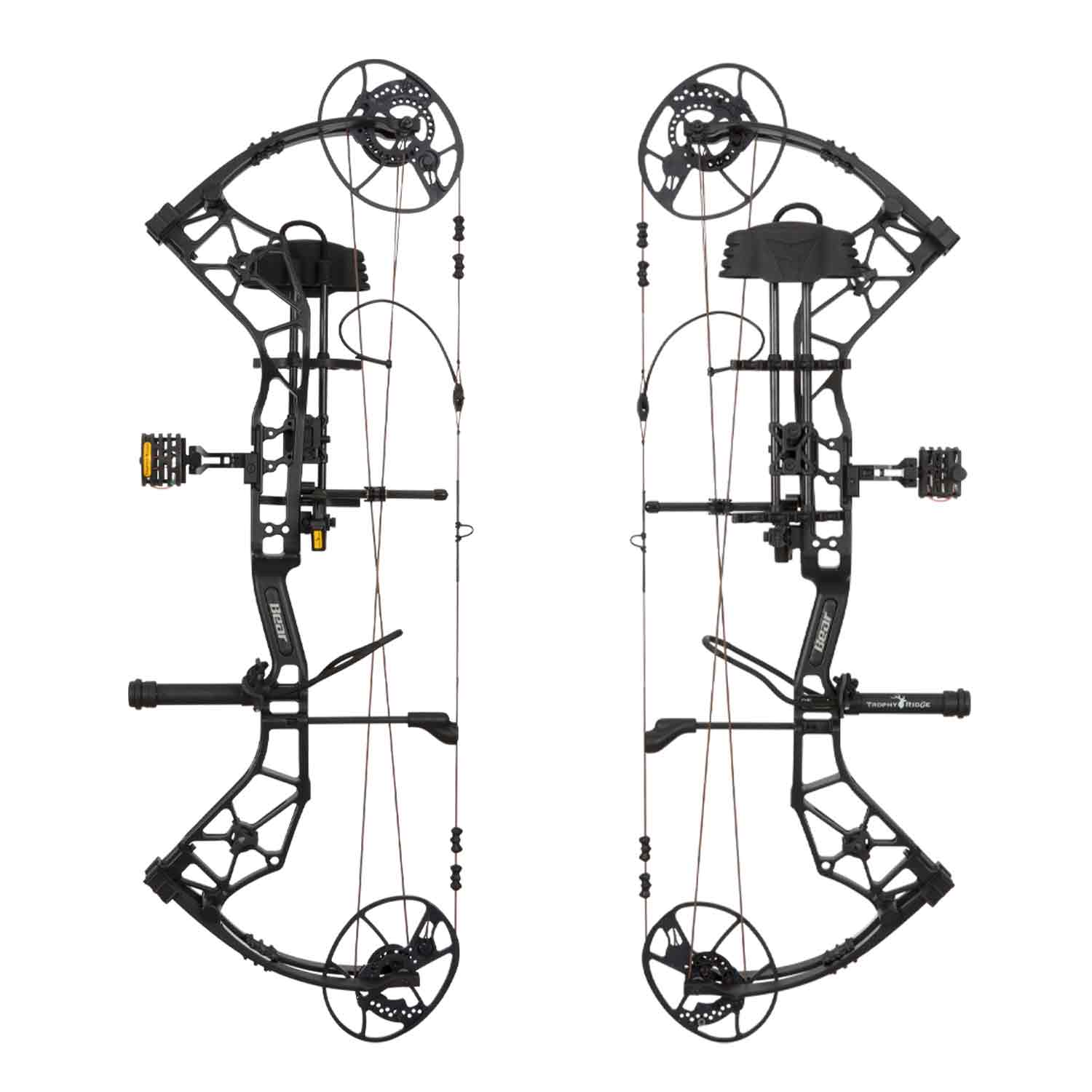
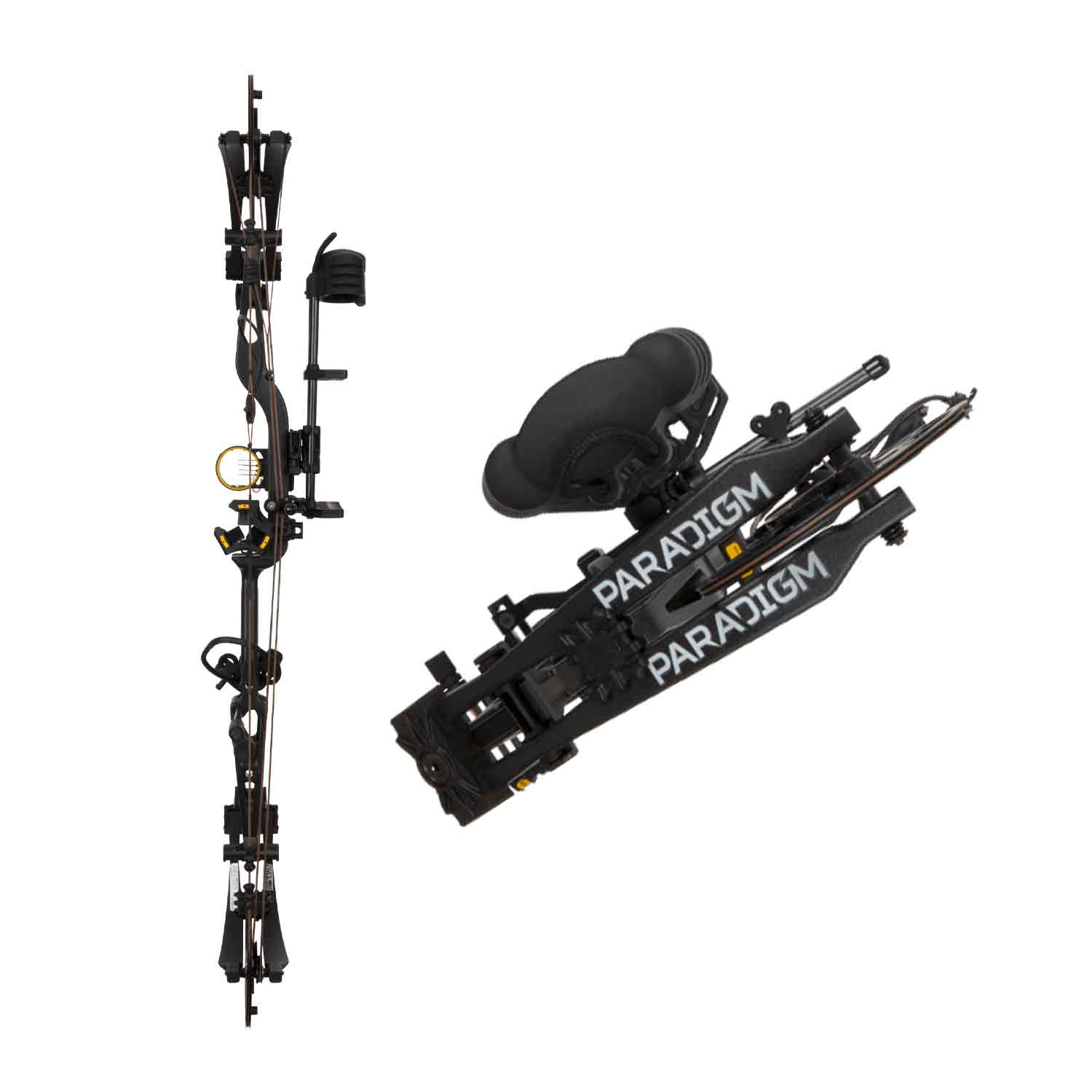
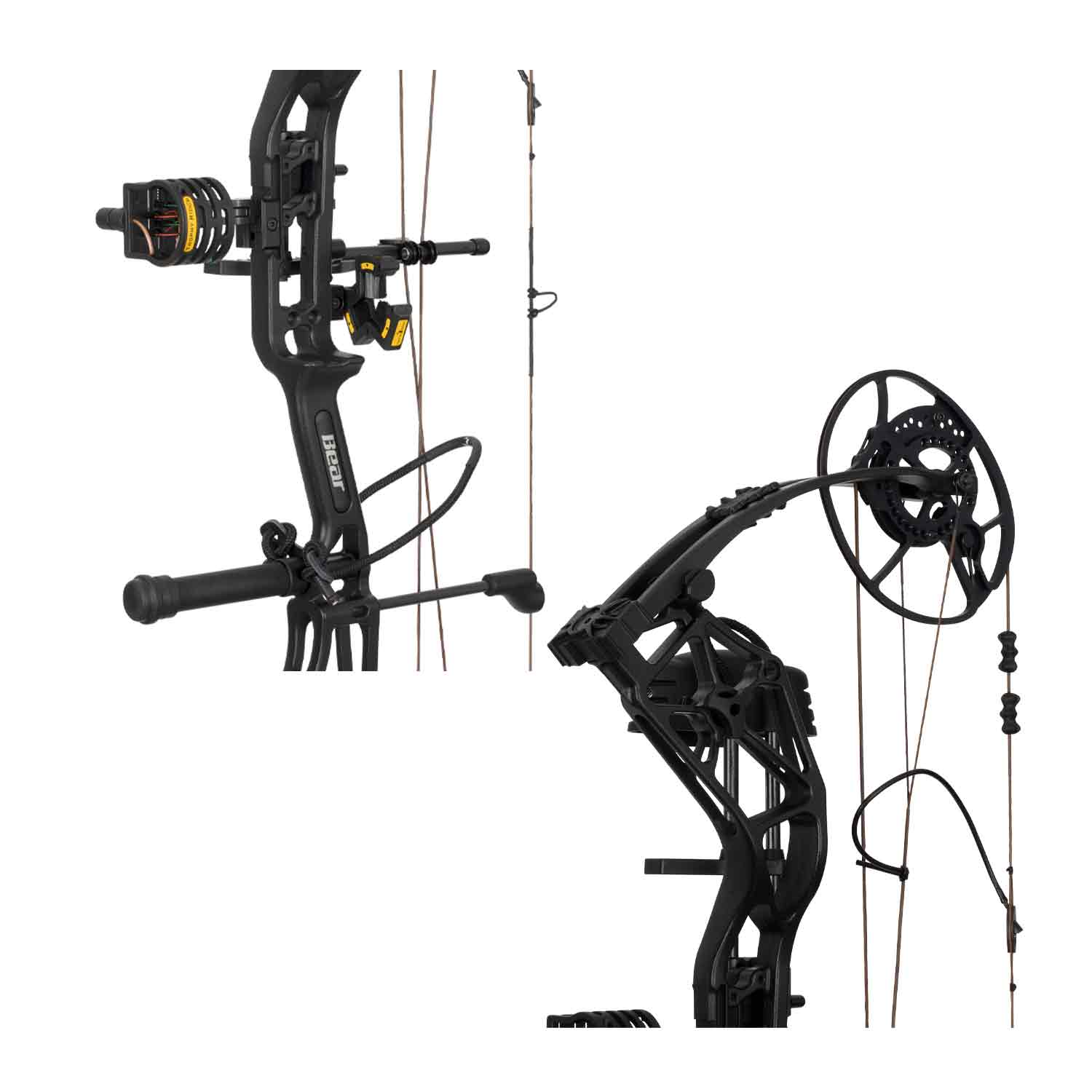


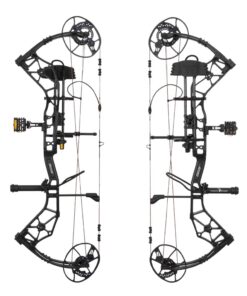
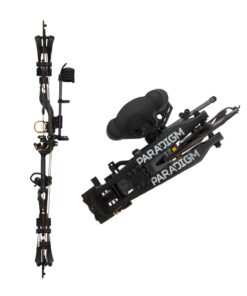
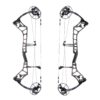
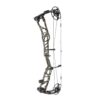
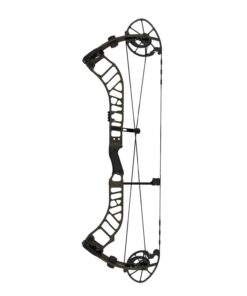
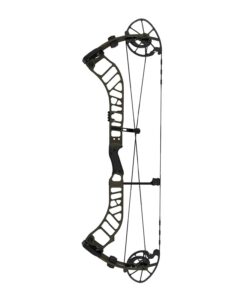
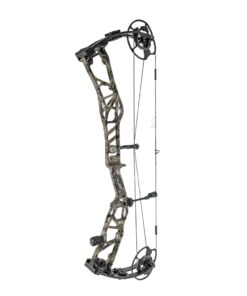
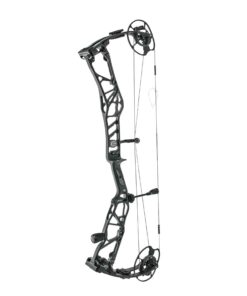
Bear Paradigm RTH Compound Hunting Bow
$350.00
Specs:
- Axle to Axle: 33″
- Brace Height: 6.5″
- Let-Off: 80%
- Speed: 333 FPS
- Mass Weight: 4 lbs
- Draw Length: 27″-32″
- Max Draw Weight: 45 lb-60 lb/55 lb-70 lb
- Cam: DHC
- Dexterity: RH and LH
- Color: Black/Veil Whitetail, Black/Mossy Oak DNA, Black/Trutimber Strata, Black
Left Handed Compound Bow
Left Handed Compound Bow . When it comes to archery, precision and comfort are key. For left-handed archers, choosing the right gear is essential to improving your shooting experience. The Left Handed Compound Bow offers a customized fit for left-handed shooters, ensuring they have the same advantage in the field or at the range as right-handed archers. If you’re a left-handed archer looking for the best compound bow, here’s everything you need to know.
What is a Left Handed Compound Bow?
A Left Handed Compound Bow is designed specifically for archers who shoot with their left hand. Unlike standard right-handed bows, which are designed for right-handed shooters, a left-handed bow has the bowstring on the opposite side, allowing left-handed archers to hold the bow with their right hand while drawing the string with their left hand. This provides a natural and comfortable shooting posture for left-handed individuals, leading to better accuracy and a more enjoyable archery experience.
Why Choose a Left Handed Compound Bow? A Guide for Left-Handed Archers
If you’re a left-handed archer, using the right equipment is key to your success. One of the most important choices you’ll make is selecting the right left-handed compound bow. But why exactly should you choose a left-handed bow? In this article, we’ll discuss the top reasons why a left-handed compound bow could be the best choice for you and how it can improve your archery experience.
1. Better Comfort and Natural Grip
One of the main reasons to choose a left-handed compound bow is comfort. Left-handed archers typically feel more comfortable using a bow designed for their dominant hand. With a left-handed bow, the grip is built for your left hand, allowing you to hold it naturally without straining your wrist or fingers. This natural grip improves overall comfort, so you can shoot for longer periods without discomfort.
2. Improved Accuracy
When you use a left-handed compound bow, everything is set up for your dominant hand. This means you won’t have to fight against the bow’s natural position. Your shooting form will be more stable, and your shots will be more consistent. With a bow designed specifically for left-handed use, your alignment and aiming will be better, leading to increased accuracy and improved performance.
3. Less Strain on Your Body
Using the wrong bow for your dominant hand can cause unnecessary strain. For left-handed archers, using a right-handed bow can create awkward angles and unnecessary muscle tension, especially in your shoulders and back. By choosing a left-handed compound bow, you’ll avoid these issues, reducing the risk of injury and fatigue. Archery will feel more natural, and your shooting sessions will be more enjoyable and less tiring.
4. Better Control Over Your Shots
When you use a left-handed compound bow, your hand is positioned in a way that allows you to control the bow better. This means you have more control over the draw, release, and shot. A properly fitted left-handed bow allows you to make small adjustments during shooting, which can help you develop a smoother and more precise shooting technique.
5. Optimal Draw Length and Weight
A left-handed compound bow is designed to match your natural draw length and weight. This ensures that the bow feels comfortable when you draw back the string, which directly impacts your shooting efficiency. With a right-handed bow, the draw length and weight could feel awkward, which can negatively affect your aim and consistency.
6. Increased Confidence in Your Archery Skills
Shooting with a bow designed for your dominant hand makes the learning process easier. When you feel comfortable and confident with your equipment, your skills improve faster. A left-handed compound bow helps you focus on perfecting your technique rather than dealing with awkward positioning or discomfort. Over time, this leads to more confidence in your shooting abilities and a greater enjoyment of the sport.
7. Wide Range of Left-Handed Compound Bows Available
You might think that left-handed bows are rare or hard to find, but many top bow manufacturers offer a variety of left-handed compound bows. Whether you’re looking for a beginner-friendly bow or a high-performance model for hunting or competition, you’ll find plenty of options to suit your needs.
Some popular left-handed compound bows include:
-
Mathews V3X 33 – Known for its incredible accuracy and smooth draw.
-
Bowtech Reckoning 38 – Offers a customizable setup and is perfect for both target shooting and hunting.
-
Hoyt Carbon RX-7 – A lightweight bow with excellent stability and quiet shots.
8. Faster and More Efficient Shooting
Left-handed compound bows are often engineered for speed and efficiency. With the right design, they offer a faster arrow launch and a smoother shot cycle, which is essential for both hunting and competitive archery. This allows you to take quicker, more accurate shots, giving you an edge whether you’re in a competition or hunting in the field.
9. Avoiding the Challenges of Using a Right-Handed Bow
Using a right-handed compound bow as a left-handed shooter can create a number of problems. For example, you might find yourself struggling with the bowstring crossing in front of your face or trying to use your non-dominant hand to control the bow. This can disrupt your shot process, lower your accuracy, and create bad habits. Choosing a left-handed compound bow eliminates these challenges, letting you focus solely on improving your skills.
Top Features to Look for in a Left Handed Compound Bow
When shopping for a left-handed compound bow, it’s essential to choose one that meets your needs and shooting style. Whether you’re new to archery or an experienced shooter, finding the right bow is key to improving your accuracy, comfort, and performance. In this article, we’ll cover the top features you should look for in a left-handed compound bow to help you make an informed decision.
1. Draw Length
The draw length is one of the most important factors to consider when choosing a left-handed compound bow. This refers to the distance you pull the bowstring back before shooting. A bow with the right draw length will allow you to shoot comfortably and accurately. If the draw length is too long or too short, it can cause discomfort and affect your shooting form.
How to measure draw length:
-
Stand up straight with your arms extended, and ask someone to measure the distance between the tips of your middle fingers.
-
Alternatively, you can get your draw length measured at a local archery shop.
2. Draw Weight
Draw weight refers to the amount of force required to pull the bowstring back. This is a critical feature to consider, especially if you’re new to archery. Beginners typically start with a lower draw weight (around 30 to 40 pounds), while more experienced archers can use a higher draw weight (50 to 70 pounds or more).
A higher draw weight allows you to shoot arrows at higher speeds, making it ideal for hunting. However, you should always choose a draw weight that feels comfortable and manageable to avoid straining your muscles.
3. Let-Off
Let-off is a feature that reduces the amount of force you need to hold once the bowstring is fully drawn. A higher let-off means you only need to hold a fraction of the draw weight at full draw, allowing you to aim for longer periods without tiring your muscles.
Most modern left-handed compound bows have let-offs ranging from 60% to 85%. A higher let-off is ideal for target shooting, while a lower let-off might be better for hunting, where you need to hold the bow steady for a shorter amount of time.
4. Bow Size
The size of the bow affects its performance and comfort. Compound bows come in a variety of lengths, typically ranging from 30 to 40 inches in axle-to-axle length.
-
Shorter bows (30 to 33 inches) are more compact and easier to maneuver, making them perfect for hunting in tight spaces.
-
Longer bows (34 to 40 inches) offer more stability and accuracy, making them a better choice for target shooting or long-range precision. Left Handed Compound Bow
Consider your shooting style when choosing a bow size. If you’re hunting in the woods, a shorter bow may be more convenient, while a longer bow might be better for consistent accuracy on the range.
5. Speed (IBO Rating)
The IBO (International Bowhunting Organization) rating is a measure of how fast an arrow can travel when shot from the bow. Speed is an important consideration, especially for hunters who need arrows to travel quickly and hit their target with maximum impact.
An IBO rating of 300 feet per second or higher is common for most modern left-handed compound bows. Higher speeds mean less time for your target to move, increasing your chances of a successful shot.
6. Cams and Cam System
A cam system is the mechanism that helps create the bow’s power and efficiency. There are two main types of cam systems in compound bows:
-
Single Cam: Known for its smooth draw and easy handling, a single cam system is great for beginners and recreational shooters.
-
Dual Cam: Provides a more consistent shot, increased speed, and more power. However, it can be slightly harder to tune, making it better suited for experienced archers.
Each cam system has its own set of advantages, so consider your experience level and shooting goals when choosing between them.
7. Material and Durability
The material of the bow plays a major role in its durability, weight, and performance. Most left-handed compound bows are made from materials like:
-
Aluminum: A lightweight and durable material often used for its strength and resistance to wear.
-
Carbon Fiber: Lighter than aluminum and more rigid, carbon fiber is used in higher-end bows for its strength-to-weight ratio.
-
Fiberglass: Often used in entry-level bows, fiberglass is a durable and cost-effective material.
Choosing a bow with a solid construction will ensure it lasts for years and can handle repeated use without wear and tear. Left Handed Compound Bow
8. Noise and Vibration Reduction
A quiet shot is essential, especially when hunting. Loud noises or vibrations from the bow can alert game animals to your presence. Look for left-handed compound bows with features designed to reduce noise and vibration, such as:
-
Vibration-dampening technology: These features help absorb shock and reduce noise after releasing the arrow.
-
Noise-reducing cams and stabilizers: These minimize sound and vibration, improving accuracy and comfort.
9. Grip Design
The grip design is an often-overlooked feature but plays a crucial role in your shooting comfort. A well-designed grip helps you maintain a stable hold and reduces hand fatigue. Look for grips that are ergonomic, comfortable, and suited for your hand size. Left Handed Compound Bow
Many bows also offer customizable grips, allowing you to adjust the fit for better comfort and control.
10. Price and Budget
While high-end left-handed compound bows offer advanced features, they may come with a hefty price tag. However, you can still find great options within a reasonable budget. It’s important to balance performance and cost based on your needs and experience level.
-
Entry-level bows: Typically priced lower but still offer excellent features for beginners.
-
Mid-range bows: Offer a good balance of quality and performance, suitable for both beginners and experienced archers.
-
High-end bows: Designed for professional use, offering advanced features and top-tier performance.
Popular Left Handed Compound Bow Models: Top Picks for Archers
If you’re a left-handed archer, finding the right left-handed compound bow can make a huge difference in your performance. With the right bow, you’ll experience improved accuracy, comfort, and control. In this guide, we’ll highlight some of the most popular left-handed compound bow models on the market today, so you can choose the perfect bow for your archery needs.
1. Mathews V3X 33 Left Handed Compound Bow
The Mathews V3X 33 is a top choice for archers looking for speed, accuracy, and versatility. This bow is designed for both hunting and target shooting, offering an exceptional blend of performance and ease of use.
-
Key Features:
-
Axle-to-Axle Length: 33 inches
-
IBO Speed: 343 feet per second
-
Let-Off: 80%
-
Silent Shot Technology: Helps reduce noise and vibration for a quieter shot.
-
Adjustable Draw Length: Offers a wide range of customization options to suit your shooting style.
-
The V3X 33 is known for its smooth draw, quiet shot, and solid construction, making it one of the best left-handed compound bows for both seasoned and beginner archers.
2. Bowtech Reckoning 38 Left Handed Compound Bow
The Bowtech Reckoning 38 is another excellent choice for archers who want precision and power. Known for its customizable features and smooth shooting experience, this bow is ideal for both target archery and hunting.
-
Key Features:
-
Axle-to-Axle Length: 38 inches
-
IBO Speed: 340 feet per second
-
Let-Off: 85%
-
DeadLock Cam System: Offers precision tuning for improved accuracy.
-
Adjustable Draw Length: Can be customized to fit your specific shooting style.
-
The Reckoning 38 is a great option for those who want a bow that offers both power and precision, making it one of the most popular left-handed compound bows for serious archers.
3. Hoyt Ventum 33 Left Handed Compound Bow
The Hoyt Ventum 33 is a top-of-the-line left-handed compound bow designed for maximum stability and accuracy. This bow is great for hunters and competitive archers alike, with features that offer both comfort and high performance.
-
Key Features:
-
Axle-to-Axle Length: 33 inches
-
IBO Speed: 335 feet per second
-
Let-Off: 80%
-
HBX Cam System: Provides a smooth and efficient draw cycle.
-
Vibration Dampening: Features a vibration-reduction system for quieter shots.
-
With its sleek design and solid performance, the Hoyt Ventum 33 is a favorite among left-handed compound bow enthusiasts who value precision and reliability.
4. PSE EVO XF 33 Left Handed Compound Bow
For those looking for a bow that combines speed, power, and accuracy, the PSE EVO XF 33 is a fantastic option. It’s known for its exceptional shooting performance and is especially popular among hunters who need a quiet, fast bow for the field.
-
Key Features:
-
Axle-to-Axle Length: 33 inches
-
IBO Speed: 340 feet per second
-
Let-Off: 80%
-
X-Force Cams: Designed for maximum speed and power.
-
Smooth Draw Cycle: Offers a comfortable draw for all skill levels.
-
The PSE EVO XF 33 is perfect for archers who demand both speed and accuracy, making it one of the top left-handed compound bow models for serious shooters.
5. Bear Archery Moment Left Handed Compound Bow
The Bear Archery Moment is a great option for archers who are looking for a bow that delivers high performance at an affordable price. This bow is known for its ease of use, smooth shooting experience, and high-quality construction.
-
Key Features:
-
Axle-to-Axle Length: 32.25 inches
-
IBO Speed: 330 feet per second
-
Let-Off: 80%
-
Dual Cam System: Ensures a smooth and consistent draw cycle.
-
Adjustable Draw Length: Can be customized for a wide range of shooters.
-
The Bear Archery Moment is a versatile bow that provides excellent value for both beginners and experienced archers looking for a dependable left-handed compound bow.
6. Elite Ritual 35 Left Handed Compound Bow
The Elite Ritual 35 is designed for accuracy and stability, with a focus on creating a bow that feels great in your hands. It’s an ideal choice for hunters and competitive archers who want a bow that performs exceptionally well at all distances.
-
Key Features:
-
Axle-to-Axle Length: 35 inches
-
IBO Speed: 335 feet per second
-
Let-Off: 80%
-
Ritual Cam System: Offers a smooth and efficient draw cycle.
-
Adjustable Draw Length: Allows for a customized shooting experience.
-
The Elite Ritual 35 stands out for its smooth shot and precision, making it one of the top left-handed compound bows for archers looking for top-tier performance.
7. Mathews Traverse Left Handed Compound Bow
Another excellent option from Mathews, the Mathews Traverse is a bow that combines speed, stability, and a smooth draw cycle. It’s highly favored for hunting, target shooting, and overall performance.
-
Key Features:
-
Axle-to-Axle Length: 33 inches
-
IBO Speed: 340 feet per second
-
Let-Off: 80%
-
Crosscentric Cam System: Offers excellent power and efficiency.
-
Adjustable Draw Length: Perfect for shooters of all sizes.
-
The Mathews Traverse is a great left-handed compound bow for archers who want a reliable and high-performance bow for all types of shooting.
How to Choose the Right Left Handed Compound Bow: A Simple Guide
Choosing the right left-handed compound bow is crucial for your performance, whether you’re just starting out or are an experienced archer. With so many options available, it can be overwhelming to find the perfect bow for your needs. In this guide, we’ll walk you through the key factors to consider when selecting the best left-handed compound bow to help you make an informed decision.
1. Determine Your Draw Length
The draw length is the distance you pull the bowstring back before shooting. It’s one of the most important factors when choosing a left-handed compound bow. A bow with the right draw length will help you shoot more comfortably and accurately.
How to Measure Draw Length:
-
Stand up straight with your arms extended and measure the distance between the tips of your fingers.
-
Alternatively, visit an archery shop where they can measure your draw length for you.
Choosing the right draw length ensures you can fully draw the bowstring, giving you better control over your shots.
2. Pick the Right Draw Weight
Draw weight refers to the amount of force required to pull the bowstring back. It’s important to select a draw weight that you can handle comfortably. If the draw weight is too heavy, it may be difficult to draw the bow, and if it’s too light, it may not provide the power you need.
-
Beginners: Start with a draw weight of 30 to 40 pounds.
-
Experienced Archers: Can use a draw weight of 50 to 70 pounds or more, depending on their strength and experience.
The key is to choose a weight that feels comfortable but still provides the power you need for accurate shooting.
3. Consider the Let-Off Percentage
The let-off refers to how much of the draw weight you no longer need to hold when the bow is fully drawn. A higher let-off means you’ll have to hold less weight at full draw, which can make shooting more comfortable, especially if you need to aim for an extended period.
-
Common Let-Offs: Most compound bows have a let-off between 65% and 85%.
-
Higher Let-Offs: Are ideal for target shooting where you may need to hold your shot for a longer time.
-
Lower Let-Offs: Are better for hunting, as they allow quicker shots.
4. Bow Size and Axle-to-Axle Length
The axle-to-axle length of a bow is the distance between the two axles (where the limbs attach to the riser). This measurement affects the bow’s stability and maneuverability.
-
Shorter Bows (28” to 33”): Easier to handle and better for hunting, especially in tight spaces.
-
Longer Bows (34” to 40”): Offer better stability and accuracy, making them ideal for target shooting.
If you’re a hunter, you may prefer a shorter, more compact bow, while target shooters often opt for longer, more stable bows.
5. Choose the Right Bow Speed (IBO Rating)
IBO speed measures how fast an arrow travels when shot from the bow. A higher IBO rating means the arrow will travel faster, which is particularly important for hunters who need quick, powerful shots.
-
IBO Speed: Typically ranges from 300 to 350 feet per second.
-
Higher Speeds: Offer faster arrow flight, which reduces the time it takes for the arrow to hit the target.
If you’re hunting, a bow with a higher IBO speed will help you make quicker, more efficient shots. However, if you’re focused on accuracy, a slightly lower speed might suit you better.
6. Bow Cams and Cam Systems
The cam system is what gives a compound bow its power and efficiency. There are two main types of cam systems:
-
Single Cam: Known for its smooth draw and simplicity, making it ideal for beginners.
-
Dual Cam: Offers more power and speed, but it can be harder to tune, so it’s better suited for experienced archers.
Some bows even offer Hybrid Cam Systems, which combine the best features of both single and dual cams, giving you smoothness and speed.
7. Material and Durability
The material of the bow affects its durability, weight, and overall performance. The most common materials used in compound bows are:
-
Aluminum: Lightweight, strong, and affordable, aluminum is commonly used for entry-level and mid-range bows.
-
Carbon Fiber: Lighter and stronger than aluminum, carbon fiber is used in higher-end bows, offering excellent performance and durability.
-
Fiberglass: Found in more affordable bows, fiberglass is durable and suitable for beginner archers.
Choose a bow with the material that best matches your budget and performance needs.
8. Noise and Vibration Reduction
Noise and vibration can affect your shooting accuracy, especially when hunting. A quieter bow is essential for not alerting game animals to your presence. Many modern compound bows come with built-in noise and vibration reduction technologies, such as:
-
Vibration-dampening systems: Reduce shock and vibration, making the shot quieter and more stable.
-
Silent cams: Designed to minimize noise when the bowstring is released.
If you plan on hunting, look for a bow with noise-reduction features to help you stay stealthy.
9. Budget and Price Range
Compound bows come in a variety of price ranges, from budget-friendly options to high-end professional models. While it’s tempting to go for the most expensive option, it’s important to find a bow that fits your budget while still meeting your performance needs.
-
Entry-Level Bows: $300 to $500
-
Mid-Range Bows: $500 to $800
-
High-End Bows: $800 and up
Remember, the most expensive bow isn’t always the best choice for everyone. Choose one that fits your experience level and intended use. Left Handed Compound Bow
10. Try Before You Buy
Finally, it’s always a good idea to test a few bows before making your purchase. Visit a local archery shop and try out different left-handed compound bows. See how they feel in your hands, how easy they are to draw, and how comfortable they are to shoot. Most archery shops will allow you to test bows to ensure you’re making the right choice.
Frequently Asked Questions (FAQs) About Left Handed Compound Bows
Are you looking to learn more about left-handed compound bows? Whether you’re new to archery or a seasoned pro, finding the right bow can be a challenge. In this FAQ guide, we’ll answer some of the most common questions about left-handed compound bows to help you make an informed decision.
1. What is a Left Handed Compound Bow?
A left-handed compound bow is designed specifically for left-handed archers. The main difference between left-handed and right-handed bows is the orientation of the grip and the way the bow is held. For a left-handed bow, the grip is designed for the left hand, and the bowstring is drawn with the right hand. This setup allows left-handed archers to shoot comfortably and efficiently.
2. How Do I Know If I Need a Left Handed Bow?
If you’re left-handed, you’ll likely need a left-handed compound bow for the best performance. A right-handed bow might feel awkward or uncomfortable to use since it’s designed for right-handed shooters. The main difference is how the bow is held: for a left-handed archer, the left hand should be on the grip, and the right hand should pull the string.
3. Can a Left Handed Archer Use a Right Handed Bow?
Technically, yes, a left-handed person can use a right-handed bow, but it’s not recommended. Using a right-handed bow as a left-handed shooter can lead to discomfort, poor form, and decreased accuracy. It’s best to use a left-handed compound bow for optimal control, comfort, and shooting performance.
4. What Are the Key Features to Look for in a Left Handed Compound Bow?
When choosing a left-handed compound bow, consider these key features:
-
Draw Length: Make sure the bow has the right draw length to match your arm span.
-
Draw Weight: Choose a bow with an appropriate draw weight that suits your strength.
-
Let-Off: A higher let-off makes holding the bow easier after drawing the string.
-
Bow Size (Axle-to-Axle Length): A shorter bow is more maneuverable, while a longer bow offers better stability.
-
Speed (IBO Rating): Higher IBO speed gives faster arrow flight.
-
Cams: Single cams are smoother, while dual cams provide more speed and power.
5. Why Are Left Handed Compound Bows More Expensive?
Left-handed compound bows are often less common than right-handed bows, which can make them harder to find. Because of the lower demand, manufacturers may produce fewer left-handed models, which can sometimes drive up the price. However, the cost difference is usually minimal, and many brands offer left-handed models at competitive prices.
6. Can I Adjust the Draw Length and Weight on a Left Handed Compound Bow?
Yes! Many left-handed compound bows come with adjustable draw lengths and weights. This means you can customize the bow to suit your body size, strength, and skill level. Be sure to check the bow’s specifications to see if these adjustments are available, as it can be helpful as you improve your archery skills.
7. Are Left Handed Compound Bows Suitable for Beginners?
Absolutely! Left-handed compound bows are a great choice for beginners. They offer a more comfortable shooting experience, which is important when you’re learning proper form and technique. Many bows designed for beginners have features like adjustable draw weight, smooth draw cycles, and easy-to-use cams, making them perfect for new archers.
8. Do Left Handed Compound Bows Have the Same Performance as Right Handed Bows?
Yes, left-handed compound bows offer the same performance as right-handed bows. The only difference is the orientation of the grip and how the bow is held. Left-handed compound bows are built with the same materials, technology, and performance features, ensuring that you get the same accuracy, speed, and smooth draw as you would with a right-handed bow.
9. How Do I Choose the Right Left Handed Compound Bow for My Needs?
To choose the right left-handed compound bow, consider the following:
-
Experience Level: If you’re a beginner, look for a bow that has adjustable draw weight and length and is easy to handle.
-
Intended Use: If you plan on hunting, choose a more compact bow for better maneuverability. For target shooting, a longer bow with better stability might be ideal.
-
Comfort: Make sure the bow feels comfortable in your hand and that the draw weight is manageable. Left Handed Compound Bow
-
Budget: There are bows for all budgets, from affordable beginner models to high-end, professional-grade bows.
10. Can I Find Popular Left Handed Compound Bow Brands?
Yes, many top archery brands offer left-handed compound bows. Some of the most popular brands include:
-
Mathews: Known for high-quality bows with smooth draws and precision.
-
Bowtech: Offers customizable bows for various skill levels.
-
Hoyt: Provides reliable and durable compound bows with excellent stability.
-
PSE: Known for fast, high-performance bows suitable for both target shooting and hunting.
11. What’s the Difference Between a Left Handed and Right Handed Bow?
The main difference between left-handed and right-handed compound bows is the orientation of the grip and the bowstring. In a left-handed bow, the grip is designed to be held by the left hand, and the string is drawn with the right hand. In a right-handed bow, the grip is held by the right hand, and the string is pulled with the left hand. This setup ensures that you shoot comfortably and naturally, improving your accuracy.
12. How Do I Properly Care for My Left Handed Compound Bow?
To keep your left-handed compound bow in top condition:
-
Regularly clean the bow to remove dirt and debris.
-
Check the string for any signs of wear or fraying, and replace it if necessary.
-
Lubricate moving parts like cams and limbs to keep them running smoothly.
-
Store the bow in a cool, dry place to prevent damage from humidity or extreme temperatures.
-
Left Handed Compound Bow
Left Handed Compound Bow . This Left handed compound bows are much easier to find today than they were 15 years ago. Many brands—like Hoyt . Mathews, and Bowtech—have started building lefty models of every new bow introduced, which is a great thing, and long overdue. It allows everyone to enjoy the insane speeds, accuracy, and reduced noise modern compounds have to offer. There’s really is no better time to be a lefty bowhunting because of it.
With that in mind, if you’re in the market for a new bow this year, look no further. Because we rounded up the best left handed compound bows you can buy . Including the best for hunting—all ready ready to smoke that big buck come the fall seasons.
Left Handed Compound Bow
The new Paradigm RTH from Bear Archery sets a whole new standard for ready to hunt bows. Featuring a new integrated Fatal 4 sight and the Integrate Mounting System® Whisker Biscuit V arrow rest from Trophy Ridge; there has never been a more streamlined set-up from the factory. The Paradigm is power by the ultra-efficient DHC cam system capable of speeds up to 333fps . While being adjustable from 27″-32″ of draw length. To help you make every shot count
The Paradigm measures 33 inches axle-to-axle and sports a brace height of 6.5 inches to maximize forgiveness. New cable guard roller system and in riser dampeners give this bow high end features that are unmatch in its price range. Trophy Ridge Package includes: integrated 4-pin sight, IMS® Whisker Biscuit V, 5-Spot quiver, stabilizer, peep sight, and D-loop.
Left Handed Compound Bow
the Paradigm RTH from Bear Archery, a groundbreaking ready-to-hunt bow. It features the new integrated Fatal 4 sight and the Whisker Biscuit V arrow rest from Trophy Ridge, offering an exceptionally streamlined factory setup. Left Handed Compound Bow
The Paradigm is driven by the ultra-efficient DHC cam system, achieving speeds up to 333fps and adjustable draw lengths from 27″ to 32″. With a 33-inch axle-to-axle length and a 6.5-inch brace height, this bow enhances shot accuracy and forgiveness.
The new cable guard roller system and in-riser dampeners provide premium features typically unmatched at this price point.
The Trophy Ridge package includes an integrated 4-pin sight, Whisker Biscuit V, 5-Spot quiver, stabilizer, peep sight, and D-loop. Left Handed Compound Bow
| Options | LH 40lb, RH 40lb, LH 50lb, RH 50lb, LH 60lb, RH 60lb, LH 70lb, RH 70lb |
|---|
Be the first to review “Bear Paradigm RTH Compound Hunting Bow”
Related products






Reviews
There are no reviews yet.